
Susan Feldman & Phyllis Berger on Reinvention Aging & Self-Acceptance

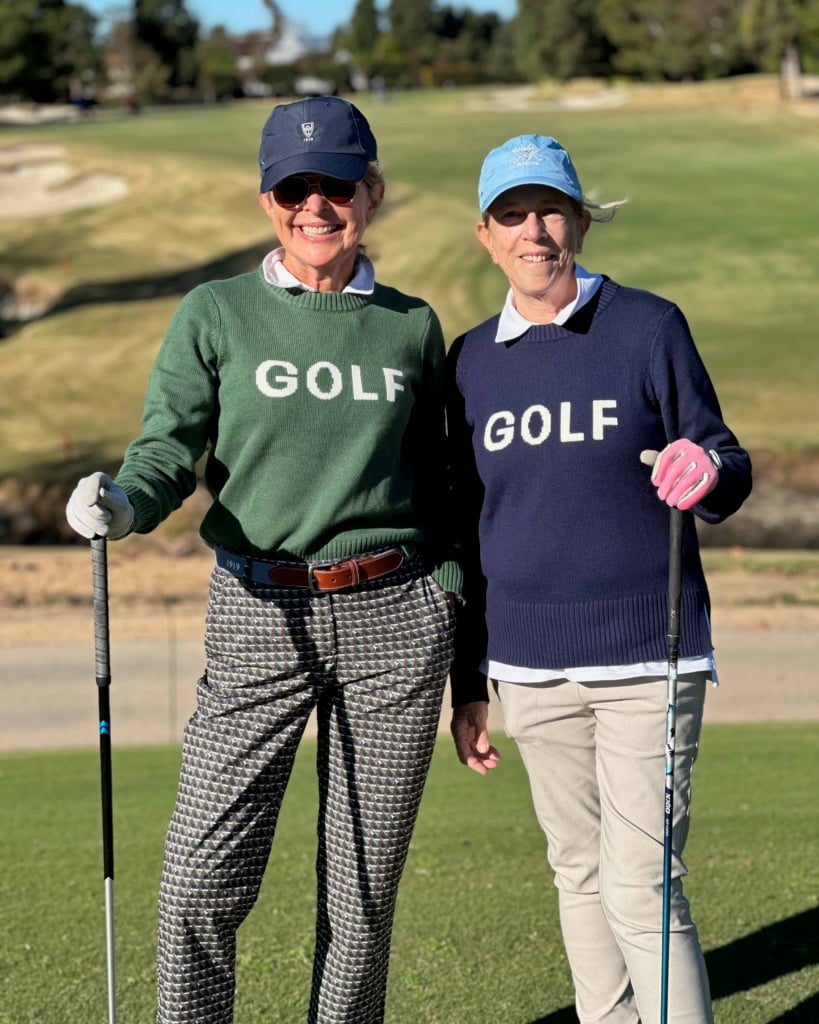
I’ll admit it. The name of this podcast made me laugh before I’d heard a single episode, and possibly before I fully processed what my search history was going to look like afterward. But once I did listen, I understood exactly what Susan Feldman and Phyllis Berger were up to with So When Do I Take My Clothes Off? Relax, it has nothing to do with getting undressed. It’s about all the other questions nobody hands you a manual for at this stage of life. When do I start dating again. When do I stop performing confidence I don’t actually feel. When do I let myself want something I would have felt guilty wanting ten years ago. Susan and Phyllis don’t pretend to have the answers, which honestly might be the most refreshing thing about them. They’re just two friends asking the questions out loud and generously letting the rest of us eavesdrop. Their banter is the real draw, the kind where you can tell they’ve finished each other’s sentences for years and have absolutely no intention of stopping. Here’s my conversation with Susan and Phyllis on reinvention, aging, and self-acceptance.
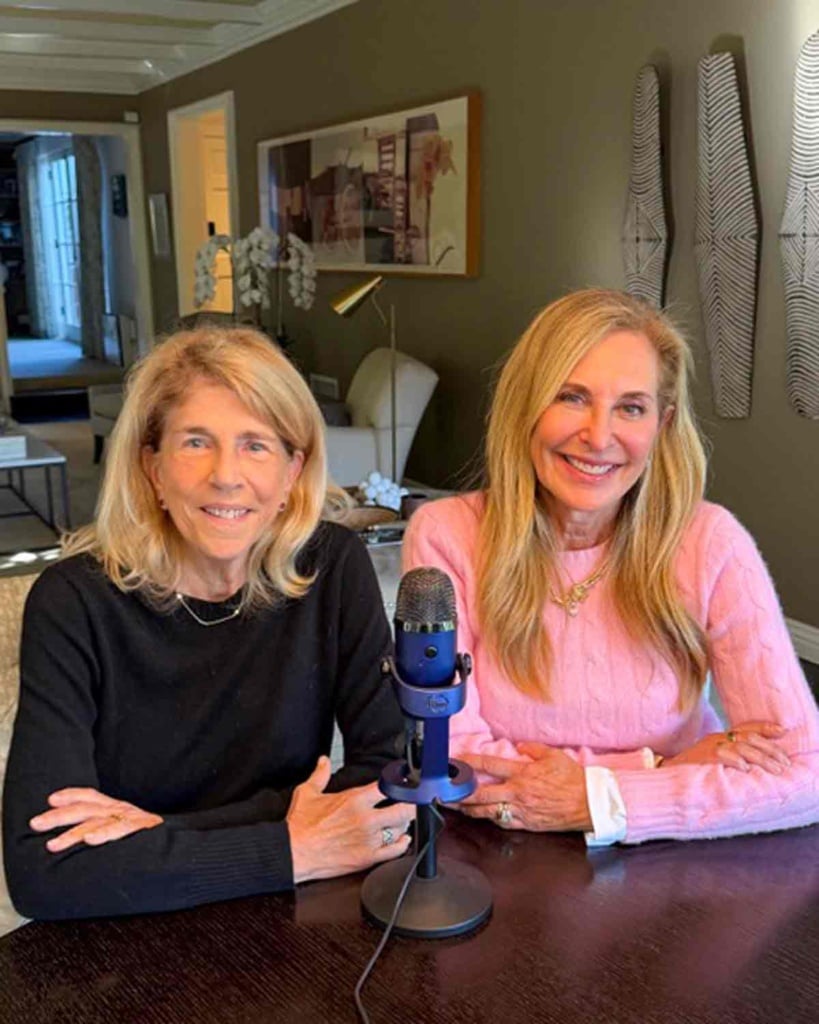
On the podcast
What was the actual conversation where “So When Do I Take My Clothes Off?” became the title?
Susan: We were talking with a friend who had recently started dating again after being in a long-term relationship. She was telling us about navigating this whole new world of dating, and Phyllis, in typical Phyllis fashion, just looked at her and asked, “So when do you take my clothes off?”
At the time, we all just laughed. It was such a funny, blunt question.
Then a few weeks later, Phyllis and I had this aha! moment: Wait—that’s the name of the podcast.
Because we realized it wasn’t really just a question about dating or sex. It was a metaphor for all the questions we find ourselves asking as we get older, the things nobody really gives you instructions for.
When do I do this? How do I handle that? Am I the only one wondering about this?
That’s really what the show became about. We’re certainly not pretending to have all the answers. We’re just willing to ask the questions, and hopefully have a lot of fun trying to figure them out.
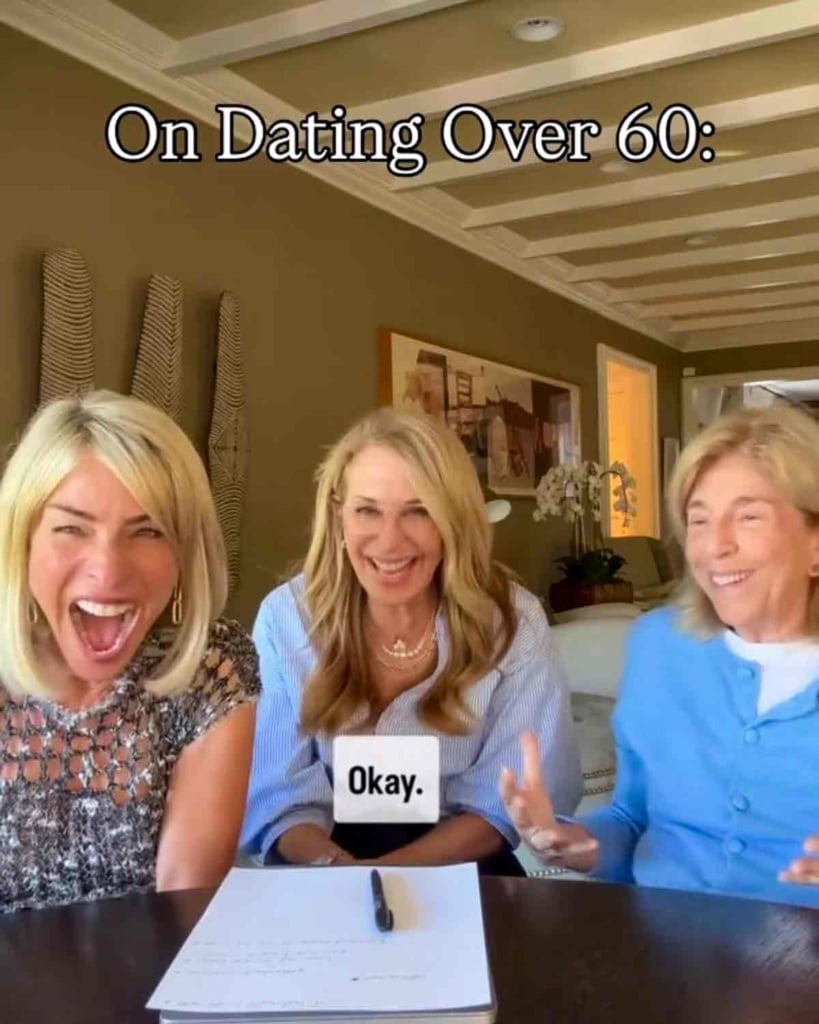
You built In the Groove together first. What made you realize these conversations needed a podcast instead?
I actually built Get in the Groove on my own. Phyllis and I were good friends, and at some point, we started talking about how much fun it would be to do something new and different together.
We were both at a stage of life where we realized there were so many things we were still trying to figure out—relationships, health, our bodies, aging, friendship, sex, reinvention, what comes next…the list goes on.
We certainly didn’t have all the answers, but we had a lot of questions. And we figured if we were wondering about these things, chances are a lot of other women were too.
We just wanted to share conversations between 2 friends who weren’t celebrities or professionals in any one area but friends who talk about all of this over a cup of coffee or a glass of wine. We hoped if they liked us, they’d like our podcast.
So the podcast really became a way for us to explore the things we’re curious about, talk to people who know more than we do, and have the kinds of conversations we were already having with each other and our friends.
And hopefully laugh a lot along the way.
Two seasons in, what’s a question that turned out harder to answer than you expected?
Susan: I think the hardest questions are the ones where you realize there isn’t one right answer.
We’ve talked about marriage, dating, health, our bodies, adult children, aging, reinvention—and I think I started out believing we’d bring on smart people and somehow come away with answers.
Instead, I’ve realized the most interesting conversations often leave me with more questions. What’s right for one woman may be completely wrong for another.
Maybe that’s one of the things I’ve learned from doing the podcast: at this stage of life, it’s less about finding the answer and more about figuring out what the answer is for you.
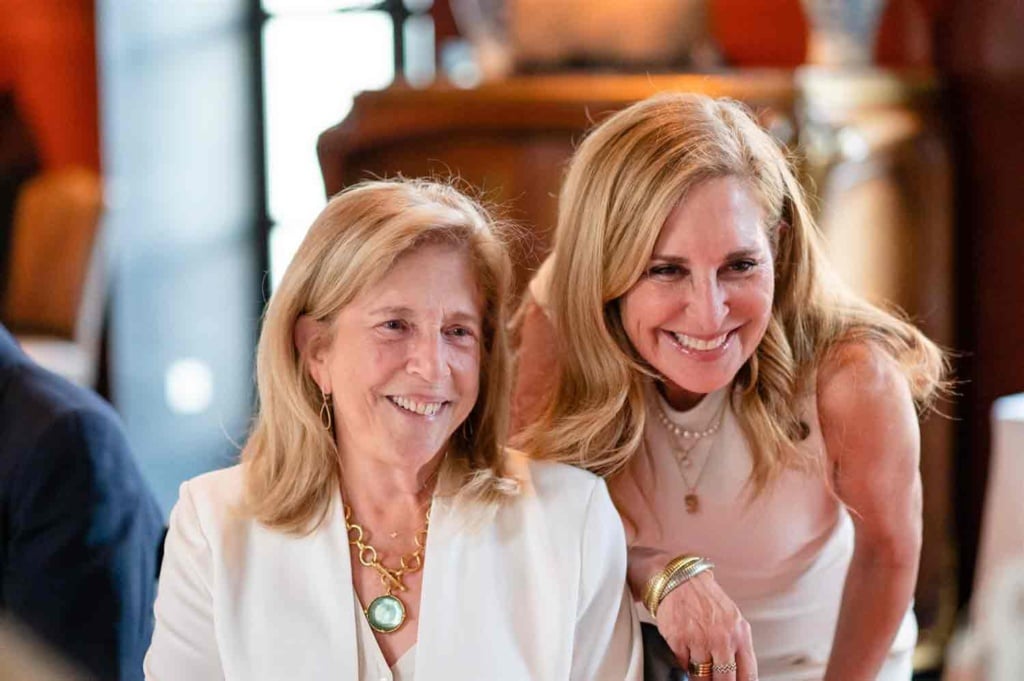
On reinvention
Susan, how did leaving One Kings Lane shape how you think about reinvention now?
Leaving One Kings Lane was probably one of the first times in my adult life when I didn’t know exactly what came next.
I had spent years building something that became such a huge part of my identity, and suddenly that chapter was over. There was excitement in that, but also a real question: Who am I without this thing I’ve been so identified with?
What I learned is that reinvention doesn’t have to mean erasing what came before and becoming someone completely different. You take all of it with you—the experience, the mistakes, the confidence, the relationships—and you use it to build whatever comes next.
Get in the Groove, the podcast, and even some of the things I’m doing now probably wouldn’t exist without that first experience of having to ask myself, “Okay…what’s next?”
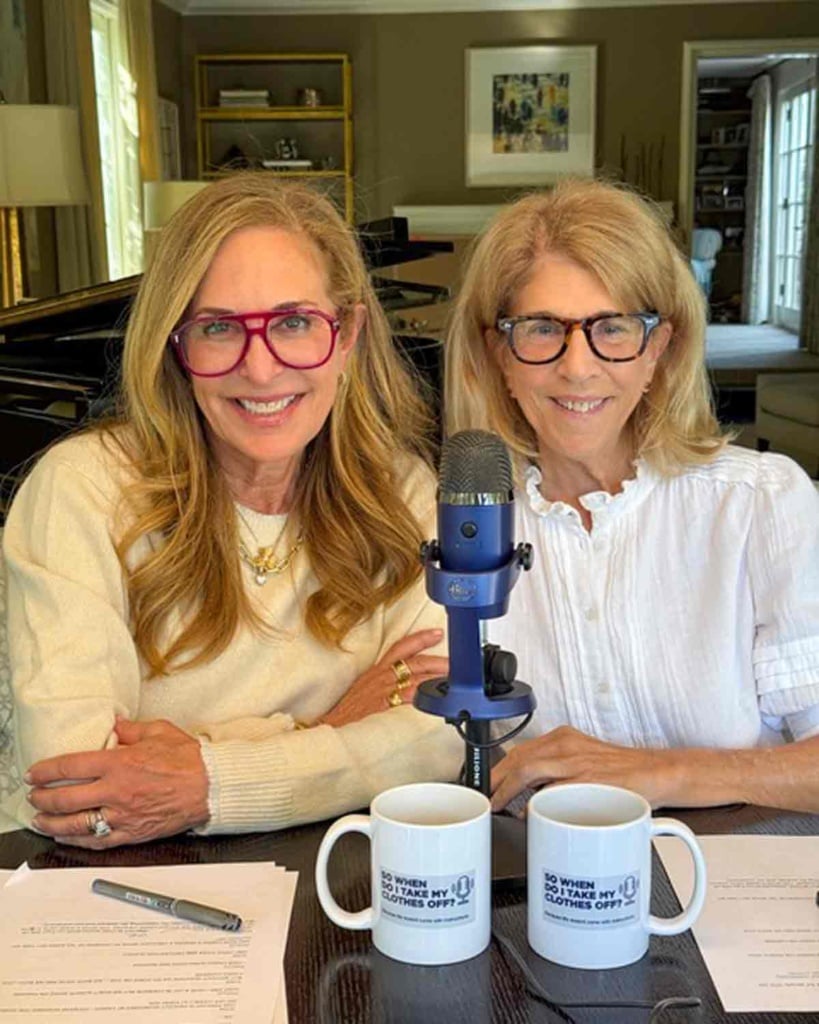
What’s something you’ve given yourself permission to want that you wouldn’t have admitted to ten years ago?
Susan: Ten years ago I probably would have felt slightly guilty even saying that. I’ve always loved working and building things, and I still do. But now I’m much more conscious that time is the one thing I can’t make more of.
I’m giving myself permission to want both: to keep working and creating AND to have time to travel, play golf, be with my family and friends, learn new things and sometimes do absolutely nothing productive.
I don’t think I would have been very good at admitting that ten years ago.
Phyllis: 1000% I am actively working on….and only moderately succeeding at…learning boundaries. Admittedly, I worry too much about disappointing friends or family and that combined with some FOMO, I agree to things that I know I really don’t want to do. So, ten years ago I wasn’t in touch with this but today it is a priority.
What “when do I” question are you still sitting with?
Susan: Not in a sad or final way. I still have enormous curiosity and plenty of things I want to do. But I do think about the balance between continuing to work, build and accomplish, and simply enjoying the life I’ve worked so hard to create.
I’m not sure I have the answer yet.
Maybe I never will.
Phyllis: I think my “when do I” is more internal. It’s not so much about when do I get to do something but more about when do I allow myself to take a deep breath and quiet my inner criticism of myself and just allow myself to internalize that. I do the best I can at any given moment and that is good enough.

On confidence
What does it feel like when a listener tells you they have felt seen by something you said?
Susan: Honestly, I think that’s one of the best things anyone can say to me.
We’re not doing the podcast because we have everything figured out -we absolutely don’t. We’re having conversations about things we’re experiencing and wondering about too.
So when someone says, “I thought I was the only one,” or “You said exactly what I’ve been feeling,” it reminds me why these conversations matter.
There’s something incredibly powerful about realizing that whatever you’re going through, you’re probably not the only one.
Phyllis: I agree. We’re doing this because we want to expand the community. I love it when someone says something that resonates with me, so we assume that there are people listening to us that have that same sense of relief I feel when I realize someone else is expressing a feeling I have. It’s a sort of emotional kinship that evolves.
When have you caught yourself performing confidence instead of feeling it?
Susan: I think I’ve always been someone who can walk into a room and look like I know exactly what I’m doing—even when I don’t.
Starting One Kings Lane was certainly like that. There were plenty of moments when I had absolutely no idea what I was doing, but I learned that confidence doesn’t always arrive before you do something. Sometimes you do the thing scared, figure it out as you go, and the confidence comes afterward.
I still have moments like that now.
Maybe that’s actually what confidence is—not knowing you’re going to succeed but trusting yourself enough to know you’ll be okay if you don’t.
Phyllis: I have to do that every time I step on a golf course.
What’s the difference between the woman you were told to become at 30 and the one you’re actually becoming now?
Susan: At 30, I think there was a much clearer idea of what a successful woman was supposed to look like. Get married. Build a career. Have a family. Be a good mother, a good wife, be successful—but somehow make it all look effortless.
I spent a lot of years checking boxes.
The woman I’m becoming now is much less interested in the boxes.
I’m more interested in what makes me curious, what makes me happy, who I want to spend my time with, and what I still want to experience.
And maybe the biggest difference is that I’m much less interested in becoming the woman someone else thinks I should be.
I’m finally just interested in becoming more myself.
Phyllis: Honestly 30 was so long ago, I’m struggling to remember what I was told to become! Actually, I think I was lucky in that I don’t remember getting any messages that deterred me from pursuing any dreams I had at that age. I think it’s inevitable that you pivot as you get older and I’d say that’s the headline of who I’m “becoming” now. So I hope the woman I’m becoming now is just someone who continues to be open to new experiences and new ideas. Now the emphasis is on treasuring family and friends.
On friendship
What does your friendship give you that the podcast can’t?
Susan: The podcast is really an extension of our friendship. Phyllis and I were friends long before we ever sat down behind microphones, and I think that’s why the conversations work.
We are also very different people, which I love. We come at things from different perspectives, we don’t always agree, and we certainly don’t always approach life the same way. But somehow, we really complement each other. She sees things I don’t see, and hopefully I do the same for her. I think our differences actually make the friendship—and the conversations—much more interesting.
But friendship is everything that happens when the microphones are off. It’s the phone call when something isn’t going well, the ridiculous text that makes you laugh in the middle of the day, celebrating the good stuff, and having someone who will tell you the truth—even when you might not want to hear it.
That’s what a great friendship is to me: you don’t have to be alike. You just have to really get each other.
The podcast is a snippet of our friendship, but what you hear is truly our dynamic minus a lot of gossip we keep between us!
What does “camaraderie of good friends” actually look like on a hard week?
Susan: For me, it’s often the little things. Someone checking in and really wanting to know how you’re doing. Having a friend you don’t need to explain the whole backstory to because she already knows it.
And sometimes the best thing a friend can do is get you out of your own head. There are times when you need someone to listen, and other times you need someone to say, “Okay, enough. Let’s go do something fun.”
Phyllis: On a hard week it’s good for me to have my friend to complain to or to be the recipient of her struggle. Sometimes advice is needed and sometimes you just need the other person to nod their head and say they understand. This might be a generalization but often men think they need to come up with a solution, but women are more tuned in to when you just need to be heard. So, we try to do that for each other.
On episodes that have stayed with you
Stacy London talked about dressing for who you are now, not who you used to be. Did that conversation change how either of you thinks about your own closet?
Susan: Absolutely. I love the idea that your closet shouldn’t be a museum of former versions of yourself.
Our bodies change, our lives change, where we go changes—and our clothes should be allowed to change too. I think the question isn’t, “Can I still wear this?” It’s “Does this still feel like me?”
And maybe the more interesting question is: Who am I now? That’s a much better way to get dressed.
Phyllis: I try desperately to expand my comfort zone about clothes and Stacey’s approach was helpful especially the question of “does this still feel like me”. In the end whenever I get more experimental, which for me might mean bright colors or a print, it tends to stay hung in my closet. So, Stacey gave me permission to be honest with myself about what I want to wear, not what people tell me I should want.
Pamela Redmond’s episode dug into body image over a lifetime. What surprised you most about how her relationship with her body has shifted?
Susan: What stayed with me was how much time we women can spend thinking about what’s wrong with our bodies.
You look back at a photograph of yourself 20 or 30 years ago and think, Why on earth did I think I was too fat or too anything? I looked great! Yet somehow, we couldn’t see it at the time.
As I’ve gotten older, I think I’ve become much more interested in feeling good and being strong than chasing some idea of perfection. Maybe the goal isn’t loving every single thing you see in the mirror. Maybe it’s simply stopping the constant fight with yourself.
Phyllis: My body, like so many women—too many really, has been my lifelong obsession. Pamela shone a light on this in a very courageous way and made me consider my own journey.
Monica Corcoran talked about women who quietly separate without officially divorcing. Did that conversation hit close to home for either of you, or for people around you?
Susan: What struck me was how many different ways there are to have a relationship—and how little we really know about what goes on inside other people’s marriages.
At this stage of life, I think people start asking different questions: Am I happy? Is companionship enough? Do I want to start over? Can we create something that works for us even if it doesn’t look conventional?
I certainly see people around me rethinking relationships and deciding what they want the next chapter to look like. One thing I’ve learned is that there’s rarely one right answer.
Phyllis: I can’t say it exactly hit close to home in a literal sense, but it did make me think how easy it can be to take for granted the other person in a long-term relationship so that you inadvertently stop connecting. It’s something to beware of.
Paulina Porizkova was refreshingly candid about dating apps and vulnerability after loss. What did she say that you’re still thinking about?
Susan: Her willingness to remain open really stayed with me.
After loss or heartbreak, it would be completely understandable to protect yourself by shutting the door. But she was so candid about continuing to put herself out there, including all the awkwardness and vulnerability that comes with it.
There’s something incredibly hopeful about saying, “I still want love. I still want connection. And I’m willing to remain open to finding it.”
To me, that’s bigger than dating. It’s about remaining open to life.
Phyllis: She’s a force of nature. I agree with Susan that the takeaway from Paulina is to stay open and throw away preconceived ideas of who you should be with and how your life should look.
Your episode with Barbara Corday, on navigating an Alzheimer’s diagnosis with someone you love, was clearly personal. If you feel comfortable, tell us what made you decide to have that conversation on air, and what do you hope listeners take from it?
Susan: Barbara is a dear friend of Phyllis’s. I know her, but not nearly as well, and her husband Roger joined us for the conversation as well.
What struck me most was how incredibly open and honest they both were about what it is really like to live with this terrible disease—not just for the person who has been diagnosed, but for the person who loves and cares for them.
I came away from that conversation with a completely new appreciation for the caregiver. We naturally focus so much attention on the person who is ill, as we should, but sometimes we forget how enormously difficult it can be for the person standing beside them every day.
It really made me think differently about people I know who are in that situation. Don’t just ask how the person who is sick is doing. Ask the caregiver how they’re doing, too. Reach out. Check in. Offer to help.
Sometimes the person doing all the caring needs someone to care for them, too.
Phyllis: I was nervous about doing this. Barbara is one of my closest friends, and I admired her willingness and openness to share what she’s going through. Let’s face it, Alzheimer’s and other forms of cognitive decline are on all of our minds after a certain age and, until we find a cure, we can’t ignore it.
In closing
What’s the one thing you’d want a woman going through the motions to hear from you?
Susan: Do something that shakes things up a little. It doesn’t have to be dramatic or mean reinventing your entire life. Sometimes it’s just trying something new, saying yes to something you normally wouldn’t, calling someone you haven’t seen, taking a class, planning a trip—or simply changing your routine.
I think it’s very easy to get comfortable as we get older, and comfortable can slowly turn into going through the motions without us even realizing it. Stay curious. Give yourself something to look forward to. There is still so much out there to discover.
Phyllis: Susan and I are on the same page about this. If a woman feels she’s just going through the motions, then I’d say take one baby step towards anything that even interests you a little bit. Take a dance class, take a mahjong class, if you have the means, go away for a weekend trip with a friend. Do something that gets you meeting other people. Because while the activity you choose should be fun, of equal importance, or probably more, is that you’re expanding your social network. With friends, trying something new is infinitely easier to do. Making new friends is really hard when you’re older but I’m convinced that is critical for feeling fulfilled.
What would you tell your younger selves?
Susan: Worry a whole lot less about what other people think and trust yourself more. Don’t be so afraid of making a mistake. Some of the best things in my life happened because I took a chance when I had absolutely no idea how it was going to turn out.
I’d also tell myself not to rush through everything trying to get to the next thing. Enjoy where you are while you’re there. Invest in your friendships, make time for the people you love, laugh a lot, and don’t save everything for someday.
And don’t wait until you feel completely ready—you probably never will. Sometimes you just have to ask yourself, “What’s the worst that could happen?”
You’re going to like the woman you become.
Phyllis: Be courageous! As the poet Mary Oliver wrote, “Tell me what is it you plan to do with your one wild and precious life.” I would go back in time and use that as my mantra to remind myself to take big chances because we only have our “one wild and precious life.”
What struck me, reading through their answers, wasn’t any single piece of advice. It was how comfortable both women are admitting they still don’t have it figured out, which, if we’re honest, is the most relatable stance anyone at any age could take. Susan is still negotiating with herself over when to stop building and start enjoying what she’s built. Phyllis is still trying to quiet the inner critic who apparently never got the memo that she’s allowed to rest. Reinvention, it turns out, isn’t something you finally arrive at. It’s a question you keep asking yourself, ideally with a good friend nearby, a decent bottle of wine, and someone willing to remind you that this next chapter doesn’t come with a dress code. Are these two fun or what? Go catch up on their episodes, you’ll be glad you did.
Follow Susan and Phyllis-When do I take my Clothes off here
Follow Susan on her popular blog Get in the Groove here
Follow Susan on Instagram here.
You might also enjoy these recent posts from our wellness series:


Hi Cindy,
I really like Susan Feldman and Phyllis Berger, my kind of gals. Talk about real things in our lives.
Thank you for sharing. Great interview.
Katherine…I am obsessed with their podcast and can’t get enough of those two!! I am so glad you are too…
I look forward to listening to Susan and Phyllis’s podcast. Thank you for sharing.
They really hit the mark on caregiving. I take my husband with cognitive impairment to all these doctors, the palliative care doc, the oncologist, internist and cardiologist and struggle to get his wheelchair over all their unwieldy thresholds and navigate their unfriendly parking lots. Not once has any one of them ever asked me how I was doing.
Hi Susan
That is very sad isn’t it?
So true. There is most interesting man on Instagram called Neal K. Shah, a former hedge fund manager who left his career to care for his cancer stricken wife. He now runs CareYaYa and has dedicated his life to supporting caregivers. He feels ‘caregiver’ should be a diagnosis and there should be mechanism to provide covered care for those involved in caregiving.
Will chime in here as a retired nurse with 25 years experience of Palliative Care. Not sure which country you live in, but Palliative Care should involve the family, especially the spouse or partner. The Palliative Care Doctor you meet with is really not doing his job if he is not asking you how you are coping and whether you need to be linked with the Palliative Care Social Worker. As for the other doctors, their lack of interest is pretty standard.
This was so interesting! We are supposed to age gracefully somehow..and accept things like thinning hair and frumpy clothing we see in stores for the older women. I just say we need to reinvent ourselves as we age and keep up with trends in clothing and other things but pick carefully. I gave up dating many years ago when an amour said I was ‘too old’ after several years of companionship. This was a mistake on his part as he was also getting older. I began to see that it was more important to become someone that was a valued member of a community than a date. Again, another reinvention was successful at that time. Understanding building construction became a passion at a ‘late hour’ although I decided to not seek a contractor’s license but used the knowledge to help others. Now what to do if I manage to reach 90? A friend of mine just got married at 92 after courtship in a senior community. There is always the option. We have lots of them.
Hi Donnie
What is it with men that they think they don’t age? I have never understood that one!!
I so enjoyed this interview and Susan and Phyllis are so open, fun and honest! Great interview and will definitely check out their Podcasts…have a feeling I may get hooked! 🙂
Hi Kelli
Guaranteed you will get hooked!!