
Jeffrey Dungan’s The Soulful House: A Conversation About Beauty, Belonging, and Homes That Endure

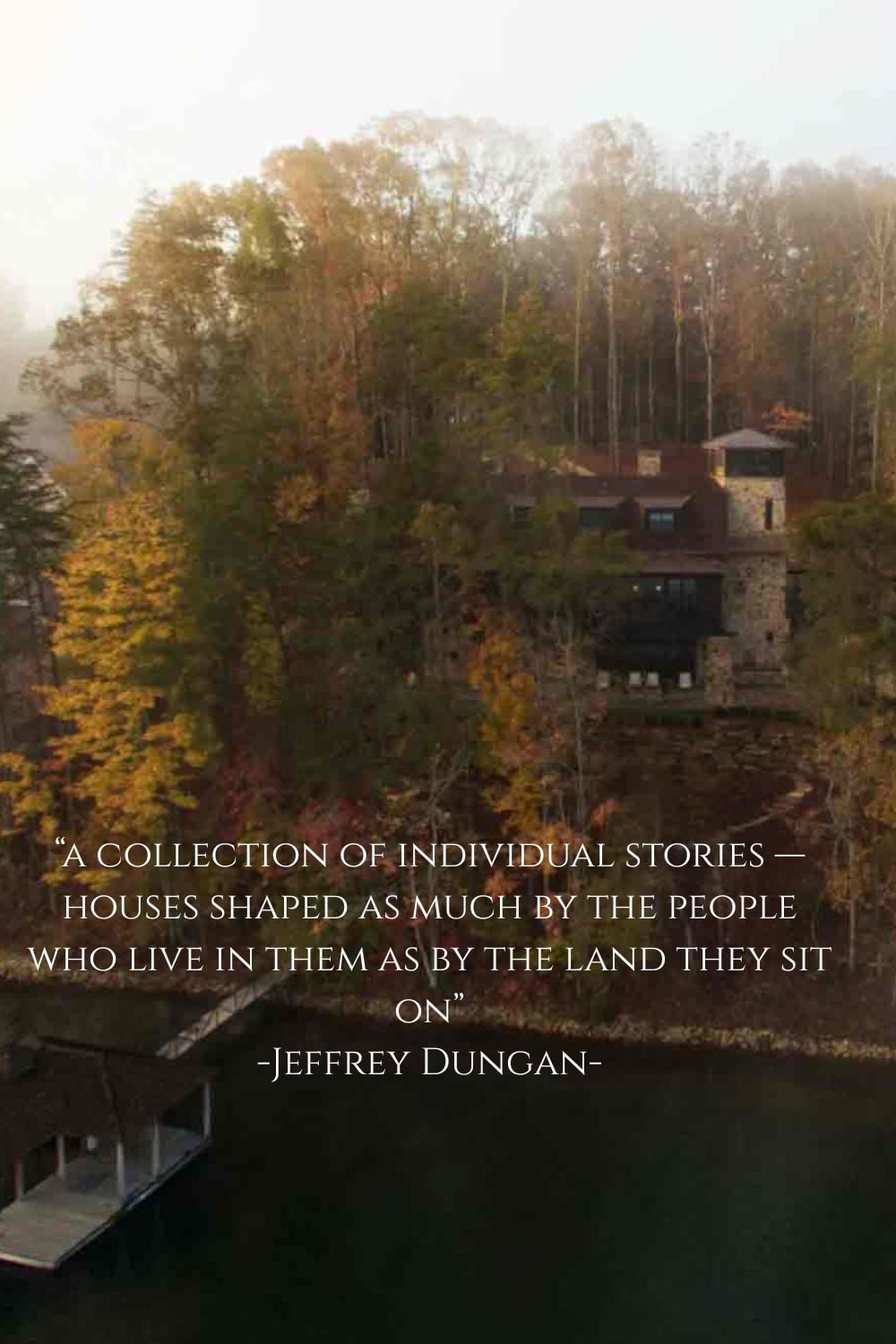
I have to admit I am having a bit of a fan-girl moment. Jeffrey’s work “extends across eight countries and 30 US states and every major design publication”. I can’t think of an architect whose work I admire more. Jeffrey Dungan just gets the relationship between the land and the design. It’s something I’ve noticed across every project of his. It’s the thing I found hardest to put into words until today. His houses don’t fight the landscape they partner with it. Whether it’s a lake house settling into the tree line, a farmhouse that seems to have grown up from the Georgia soil, or a beach house that invites the sea in rather than turn its back on it. They all look as though they couldn’t exist anywhere else. That quality, that rootedness, is what sets his work apart from everyone else. Let’s chat about Jeffrey Dungan’s The Soulful House: A Conversation About Beauty, Belonging, and Homes That Endure
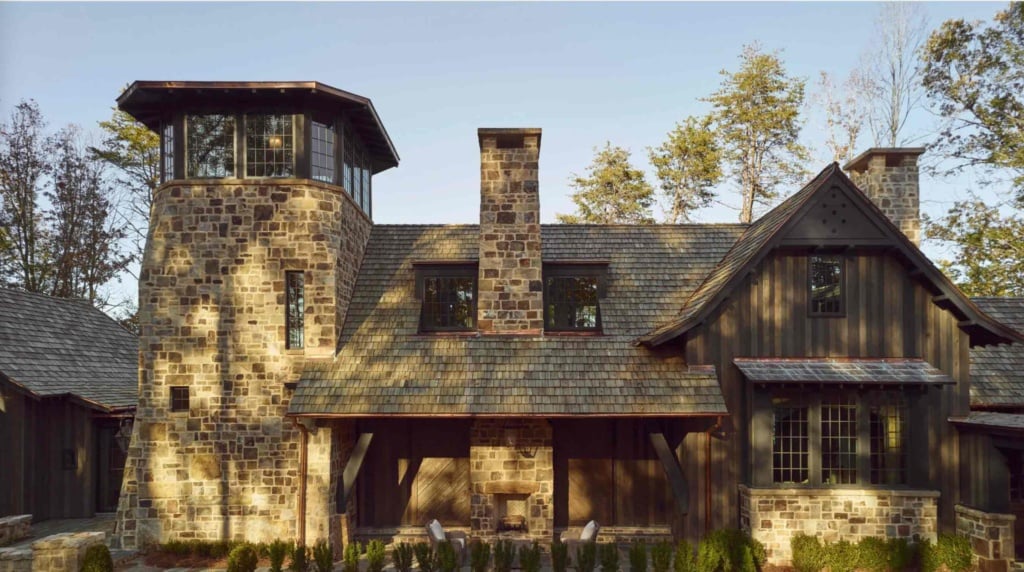
I grew up on a lake in a small town in Indiana, so water and architecture have always been intertwined for me. Which is part of why Jeffrey’s work, particularly his lakeside homes at Lake Martin and beyond, feel personal in a way that’s hard to explain but easy to feel. With the release of his new book, The Soulful House: Stories of Beauty, Belonging, and the Spirit of Home, available September 6 from Rizzoli, I suspect a lot of you will feel the same way. It is, like the man himself, quiet in the best sense. Rooted. His first book The Nature of Home is a much loved dogeared favorite in our family.
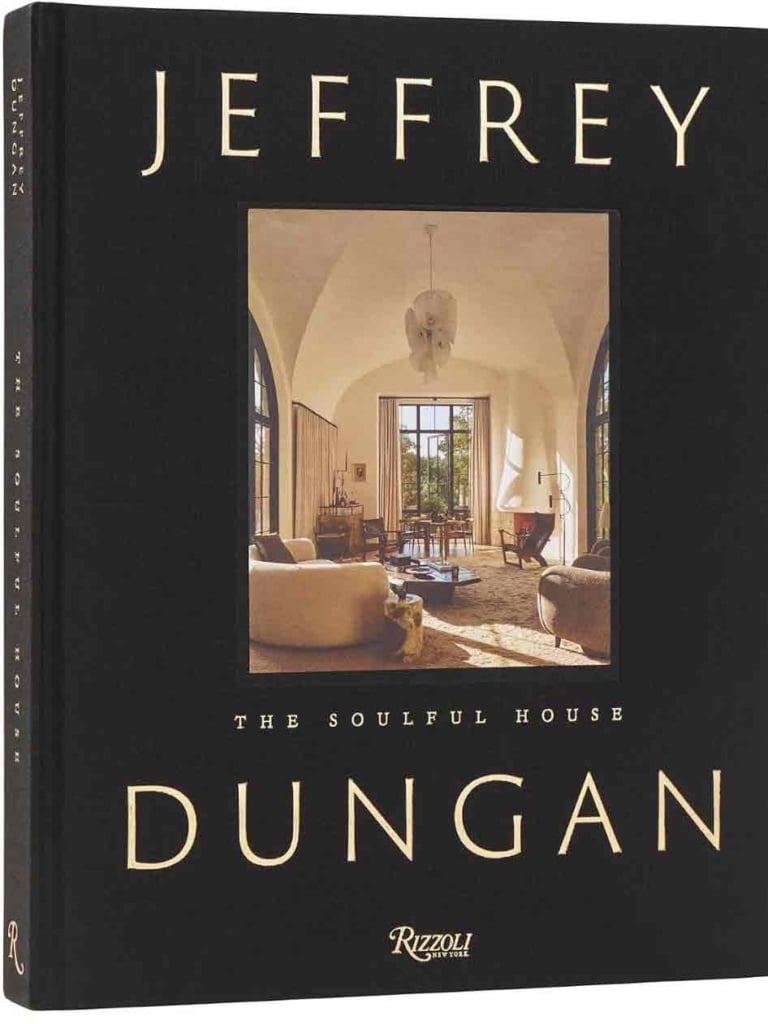
I finally got to ask him the questions I’ve been saving up. Here’s what he said.
You grew up on a farm in rural Alabama and went on to found one of the most recognized residential architecture practices in the country. How much does that upbringing still show up in the work you do today?
I think how you treat people always matters. Maya Angelou said, “people will forget what you did and your achievements, but they will never forget how you made them feel.” I think one of my least favorite character traits is self-importance. The fact of the matter is God gave me a gift, and I have really loved getting to use it, and have enjoyed a wonderful journey in creative work.
Your work is often described as a “clean, modern take on classical and traditional architecture,” a style that resists being pinned to any single era. How do you talk about what you do to clients who are encountering it for the first time?
It’s not really about me, or my style because I love to work in many varieties of them. What I try to do is see the people I am designing for and who they really are and make a house that fits their spirit and celebrates the best parts of them. So, I do resist being pinned by one style or another because it’s not really fundamentally what my work is about.
Southern vernacular architecture runs through so much of your work. What does that regional tradition offer that purely classical or purely contemporary architecture doesn’t?
Being from the south is a peculiar thing. I think one of the most unique and identifiable qualities and with a rich story of heritage and tradition. There are quite a few different cultures in America, the southern one is just one of them that I happen to have been steeped in. My favorite parts of a southern vernacular are attachment to the land, a deep respect for how climate effects design, and a love for people.
Your firm has won multiple AIA honors, back-to-back Palladio Awards, and you were named 2017 Southeast Architect of the Year by Veranda. Does recognition from the classical architecture world in particular mean something different to you than recognition from the broader design community?
Don’t forget Forbes Best Architecture firms in the US (ha-ha) Well it is nice to get a pat on the back every so often, isn’t it? I have often been surprised or shocked at the awards we have received. I am very thankful for the accolades but it’s not really what motivates me on a daily basis. I don’t consider myself a strict classicist and I think the strict classicists don’t see me as one either, by the way. But I do appreciate groups that recognize excellence, as that is something that I have always strived for in the work.
You work in both architecture and interior design — sometimes on the same project. How does wearing both hats change the way a house comes together? Does one discipline ever pull against the other?
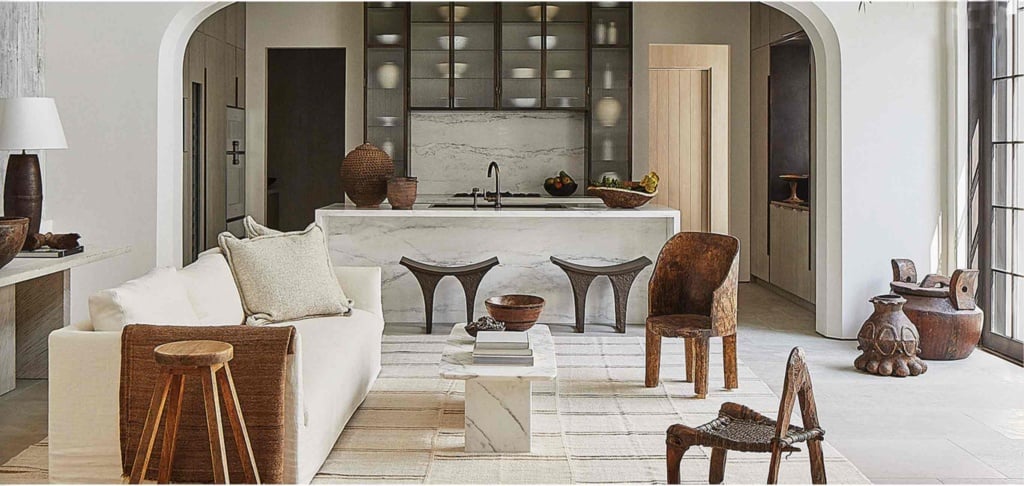
Yes, they certainly do find themselves at odds often I have discovered. In past centuries there was just the architect, somewhere along the way things got splintered into multiple disciplines. Maybe life got complicated. For me it is one thing we are making, so I’ve always been interested in understanding it in the most thoughtful way that I could. The truth is that I love interiors. It’s much more nuanced and complex and sophisticated and every room has its own subtle vibe.
When you’re designing both the shell of a home and its interiors, at what point in the process do those two conversations start to happen simultaneously rather than sequentially?
When I begin the design, I am thinking of the whole thing, so in that way it’s really intrinsic. I always say that every house tells a story. That story begins as soon as you come round the bend and see the setting, the rooflines, the outlines. It becomes more intimate as you cross the threshold and enter inside. A good house tells the same story but with plot twists that you didn’t see coming.
Are there decisions that are easy to reverse when you’re only the architect, but that become higher stakes when you’re also responsible for what goes inside?
There is no such thing as luck in architecture, other than bad luck. You have to make your own luck, but I think it is easier when you understand the relationship of the outside to the inside. I do think that architecture is much less forgiving than the furnishings – they can at least move around. It’s hard to move a chimney if you put it in the wrong place.
The Nature of Home has been described as part portfolio and part artist’s statement — you wrote it as much as you illustrated it. What made you want to put the philosophy into words, not just pictures?
I always wanted to do a book. When I finally got the chance to do one, I realized how difficult it was and how much time it took and that it also was a very pricey thing to do. I think for me it was just as important to communicate the WHY of things as it was to have glossy images of our work. There are theories and philosophies and belief systems in the background of all those pretty pictures. I wanted to talk about what those theories were.
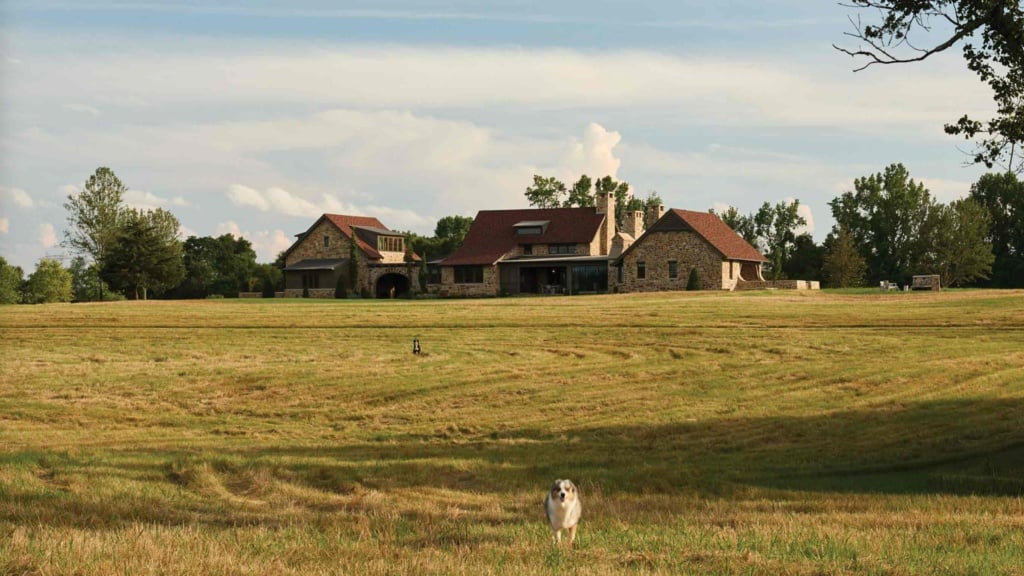
The book profiles eight very different houses — a Gulf Coast beach house, an Alabama farmhouse, a home in the Blue Ridge Mountains among them. How did those particular projects earn their place in the book? What did each one have to say that the others didn’t?
Well at that time it was about the best work I had, so that was the main criteria. I also wanted to show the subtle differences created by the environments that houses sit in. It’s very different to work in the mountains than at the beach. The light is completely different and the climate is also. But they both have a kitchen – so how is that space different in one versus the other? That is interesting to me.
You write about light, stone, and rooflines almost as if they’re characters in the story of a house. Which of those elements do you find yourself thinking about first when you approach a new site?
Well, they are all really just tools. They all have a different feeling in them and so depending on the kinds of emotions I am trying to bring about one may be more useful than another. But I do think they each have a persona, that is very true.
The concept of the ‘forever house’ — a home built to be handed on to future generations — is central to the book. In practice, what does designing for longevity actually demand of you that designing for the present moment doesn’t?
I don’t know because it’s the only way I think about it. I guess it would be fun actually to design a cool tent or some kind of habitation that was intentionally temporary. John Muir said when we build let us think that we build for forever. I think it gives us some kind of immortality, maybe a weak form, since even a house may last for merely a few centuries- but I do like that about it. I like that future generations can live in a house and that a family can belong to a place in that way. It’s a deeper vibration.
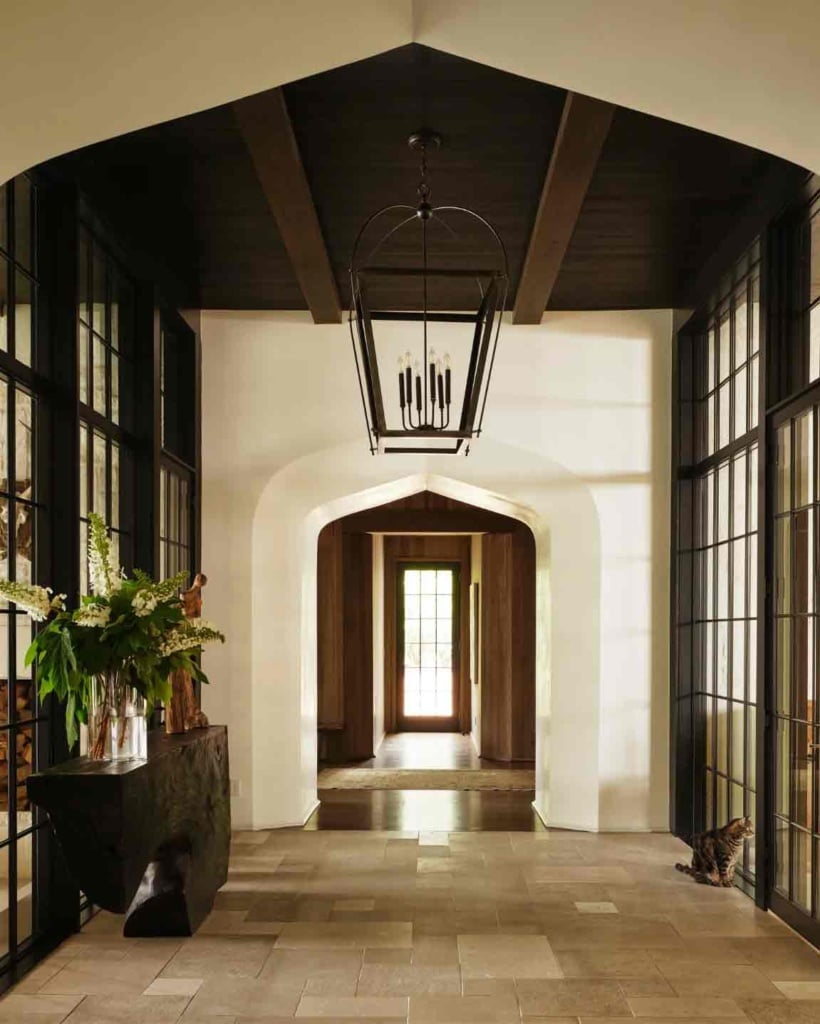
The book went back to press multiple times — well beyond what your publisher originally expected. Did the response to it change how you think about sharing your work publicly, or about the audience that’s drawn to this kind of architecture?
I think that book is on its twelfth printing or something, so yes, well beyond what I thought it might do. People have sent me pictures of it in Japan, Europe, and South Africa. I think no one was more surprised than me. When you do something that resonates with other people it’s a wonderful thing. It’s a human thing I think somewhere in the spirit that people feel connected to certain aspects of it. I really don’t know to be honest.
You have a new book coming out later this year. Without giving too much away, can you tell us what it’s about — and what made now the right moment to write it?
For sure it is very exciting to get to do a second book of our work, I think I wanted to wait until I had something new to say otherwise it would just be more of the first book. I get bored easily and am scared to death to be boring to anyone else – so there needed to be some new ground to cover. This book is at the same time an arc of the first book’s trajectory but is more mature and touches some places the first book didn’t quite reach.
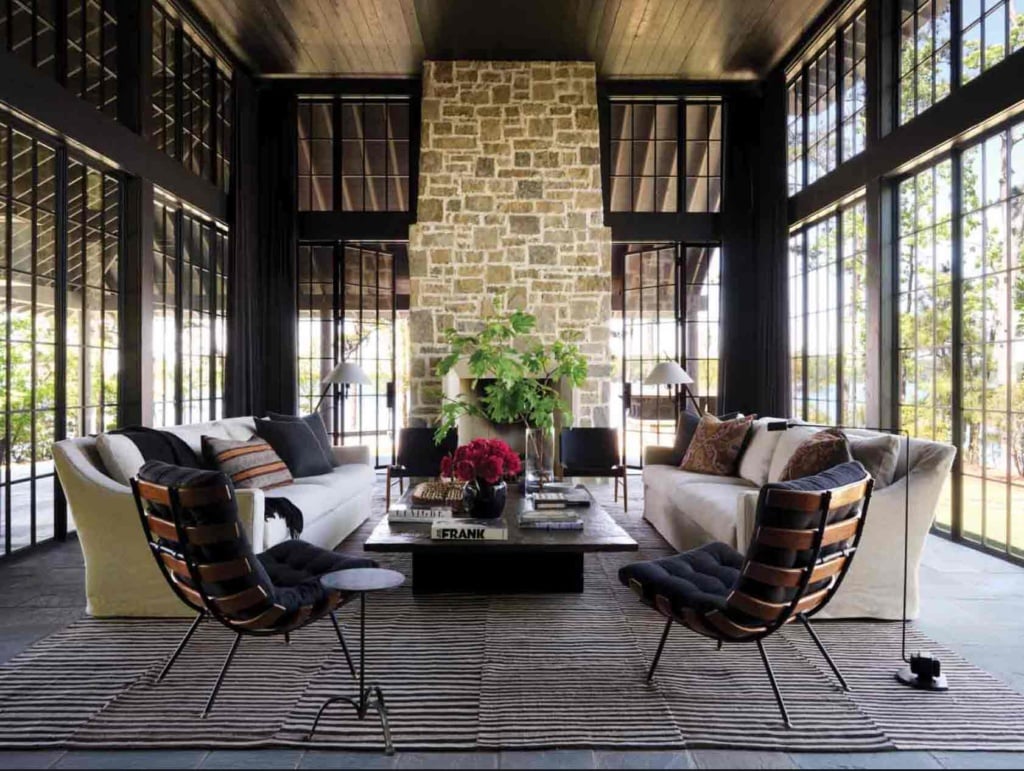
How does this book differ from The Nature of Home? Were there things you felt you left unsaid in the first one, or is this an entirely new conversation?
Definitely a deeper dive – but similarly, this book is a continuation of thoughts that began in the first book. There is more variety and more development and destinations across the country and even into other countries.
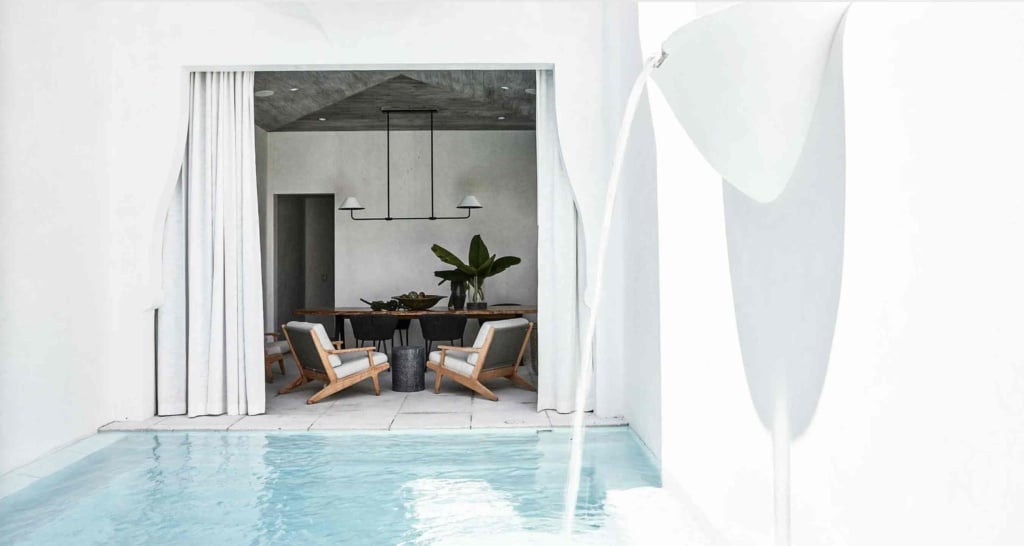
The Nature of Home was very much organized around the elements of a house — light, materials, the roofline. Does the new book take a similar thematic approach, or is it structured differently?
It does have that structure of elements. I wanted to talk about the character traits of good houses and develop how we create these in our designs.
What do you hope a reader comes away with understanding about your work — or about architecture more broadly — that they might not have gotten from the first book?
That simply put there are ideas and beliefs that form a philosophy of design within the sticks and bricks. I think in the end there is a feeling and even a spectrum of emotions that we are searching for in the rooms and spaces and the experience of our houses. I try to describe seven of these in this book.
I grew up on a lake in a small town in Indiana, so your lakeside houses — Lake Martin and others — speak to me in a very personal way. There’s something about a home on water that feels different from any other setting. How do you approach a waterfront site differently than, say, a farmhouse or a mountain property?
I’m at the lake as I write this reply, so good timing. The lake has a vibe of a certain kind and every site has one, much of it comes from the climate and the culture that surrounds it. Lake houses have a relaxed feeling that goes along with why we love to spend time there. Lake houses are wonderful because the surrounding landscape is generally respected and the house needs to respond to it.
A few years back, I was on a boat on the Tennessee River when I spotted a house on the bank that stopped me cold — I knew it was one of yours. I took a picture and shared it in my Instagram Stories, and you responded almost immediately confirming it was indeed your project, and that you had just revisited it. What is it like to go back to a house years after it’s been lived in? Does time change the way you see your own work?
That house is the first one Lindsey and I worked on together and where we were eventually married, so it is special in more ways than one. You cannot possibly do a house like that without great clients, and these became like family to us. Longer story but we designed another home for them at BlackBerry Mountain.
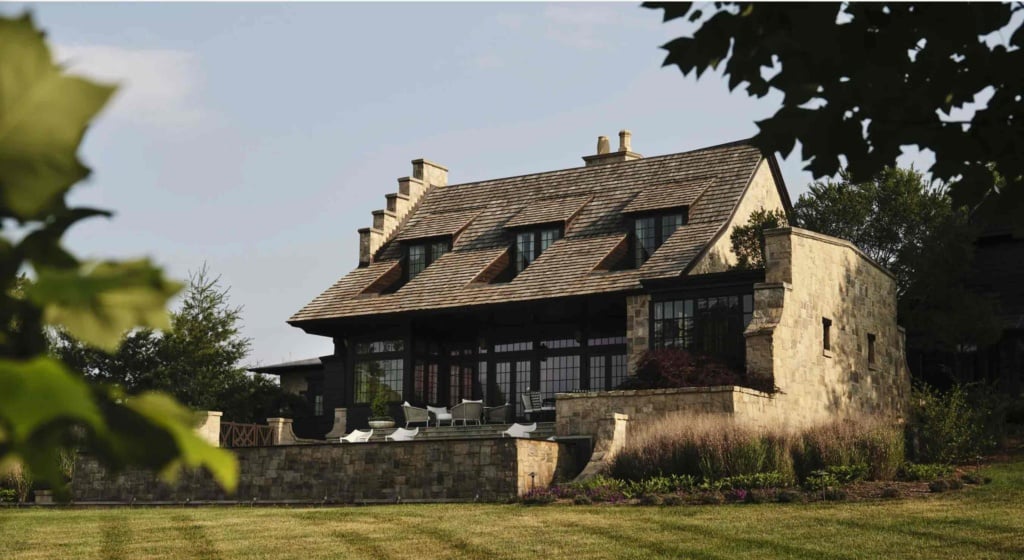
For someone who is about to build or significantly renovate a home — and who wants it to feel timeless rather than trendy — what’s the single most important decision they’ll make before breaking ground?
For timelessness I think you have to consider the materials. Keeping it simple is important – use high-quality real stuff, don’t compromise on that and you have a chance at it aging well over time.
What do you wish more clients understood about the value of investing in architecture early in the process, before interior decisions are made?
Every day I pray two prayers that people with taste will get rich and rich people will get taste. I guess I should also ask that they call me shortly afterwards! To be honest our process integrates the interior design and the architecture so there is not much conflict of values between the two.
Your work has been featured in Veranda, Garden & Gun, House Beautiful, and The Wall Street Journal. The audience for your houses tends to be people of real discernment. What does that reader — or that client — understand about a home that others might not?
I don’t know if our clients are more discerning or more bent towards the things that we are bent towards – excellence, thoughtfulness, timelessness are a few of the qualities we strive towards. I think our clients see and feel those in our work and that’s how we end up in a conversation about working together.
Finally — is there a house you’ve designed, perhaps one that didn’t make it into either book, that you find yourself returning to in your mind as a touchstone? One that taught you something you couldn’t have learned any other way?
Great question, I do believe that every house has something to teach you, and I always try to do one thing in each house that I’ve not done before. We don’t have many that don’t get built, but I do keep a file of those as fodder for ideas and maybe that’s a good third book topic – “the ones that got away.” They are all like children of sorts and you love them that way.
There’s something I’ve noticed across every project of his I’ve ever seen, and it’s the thing I find hardest to put into words: his houses don’t fight the landscape. They partner with it. Whether it’s a lake house settling into the treeline at Lake Martin, a beach house that seems to exhale toward the sea rather than turn its back on it, or a farmhouse that looks as though it grew up from the Alabama soil, his homes look as though they couldn’t exist anywhere else. The site itself seems to have called them into being. That quality, the rootedness is rarer than it sounds and nearly impossible to fake. I grew up on a lake in Indiana, so water and architecture have always been tangled up together for me. I know the difference between a house that’s placed near water and a house that’s actually in conversation with it. Jeffrey Dungan builds the second kind. Pre-order The Soulful House now. Your coffee table will thank you.
I hope you enjoyed Jeffrey Dungan’s The Soulful House: A Conversation About Beauty, Belonging, and Homes That Endure
You can see more of Jeffrey’s beautiful work on his website here.
You can follow Jeffrey on Instagram here.
You can find my former posts highlighting Jeffrey’s work here




What a beautiful conversation with Jeffrey Dungan! I love how he emphasizes homes as places of belonging and soulful connection rather than just structures. The idea of creating spaces that endure and inspire is so powerful. Your interview highlights the artistry behind his work and makes me reflect on how design truly shapes our lives.
Pls check out my Site thankyou
Hi Carol
Jeffrey’s designs are so connected to their surroundings, and I love his philosophy on architecture and design.
What a great interview! Besides being unbelievably talented, Mr. Dungan sounds like a really nice person. I love the quote that he prays every day, that the rich get taste and the people with taste get money. I’ll remember that one!
Thank you, will definitely be ordering his book.
Hi Becky
He is a really nice person! I am a huge fan of his work. His first book is a favorite and I cannot wait for this one!!
Cindy, I truly enjoyed learning more about Jeffrey Dungan’s work. He has such a wonderful, thoughtful way with every response. It’s not at all hard to see why his work is so exceptional. I cannot wait to get his book!
Annie
Hi Annie
I am dying to get mine as well!!
Cindy, I’ve long admired Jeffrey’s work and you asked him exactly the questions I would have wanted to ask and more. His answer about designing for the whole story of a house, from the roofline to the threshold, is something I’ll be thinking about for a while. The Soulful House is going straight on my September list.
Hi Eliz
I am dying to get my book. I preordered it long ago in anticipation!!
what a treat and a delight to read more but i had to come down to the comments first to say acckkk! i’m fangirling for you Cindy – Jeffrey Dungan is my fave!
Hi Nancy
Glad to hear we are on the same team!!
Just ordered mine! Great interview, Cindy.
Questions that I would like to ask him.
We have a small lake cabin, he was one of the architects,
Silverock Cove on Smith Lake in Alabama.
We love our home, even if it was empty of furnishings,
it has wonderful soul. Thank you, Jeffrey
Hi Gina
That development looks amazing!!
Great interview. Can’t wait to pre-order his book!
I cannot wait to get mine either Mary Ann!!