
How to Talk to Kids About Bullying: Lessons from a 40-Year Educator, Amy Spangler

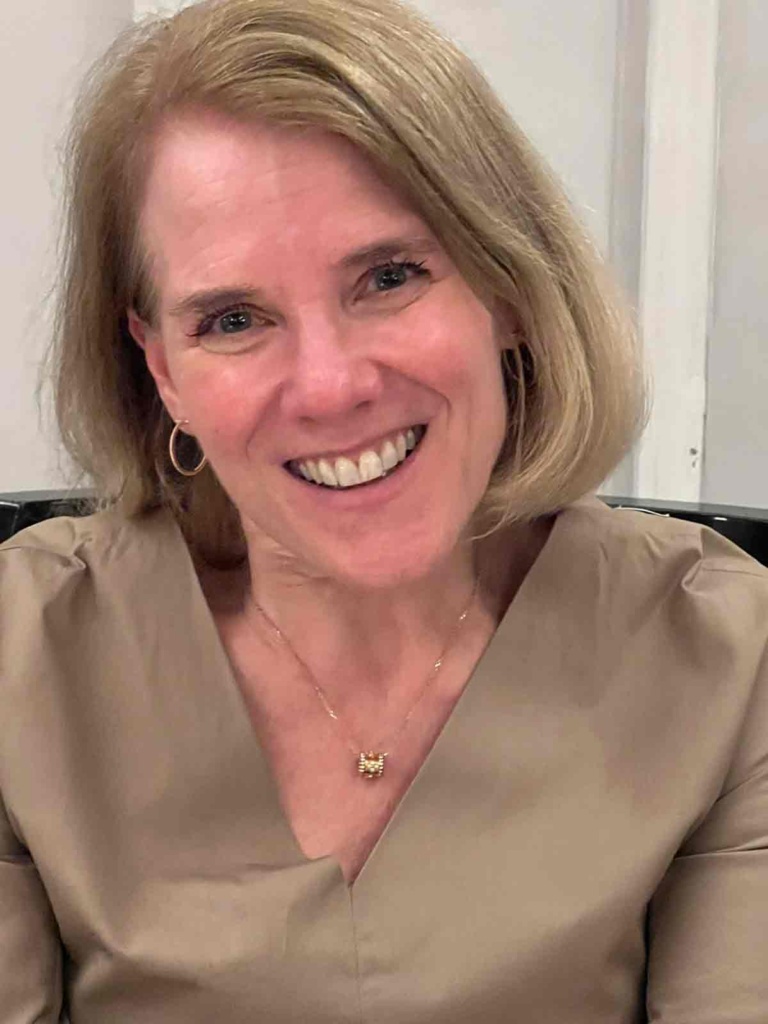
Welcome back to CHD Reader Interviews, where I get to introduce you to the women in this community who are quietly (or not so quietly) doing remarkable things. Today’s guest is Amy Spangler, a lifelong educator, former principal, and co-founder of International Kindness Reset, a nonprofit that’s teaching kids from Minnesota to Lithuania that kindness is a skill you practice, not a slogan you hang in a hallway. Amy has spent 40 years in classrooms and front offices, and she brought every bit of that experience (plus a story from her own childhood that will stop you cold) to our conversation below. Grab a cup of coffee. This one is well worth the read.
Background & Path to Kindness Work
For readers who are meeting you for the first time, tell us a bit about yourself — where you’re from, your family, and a little of your story before we dive into your work.
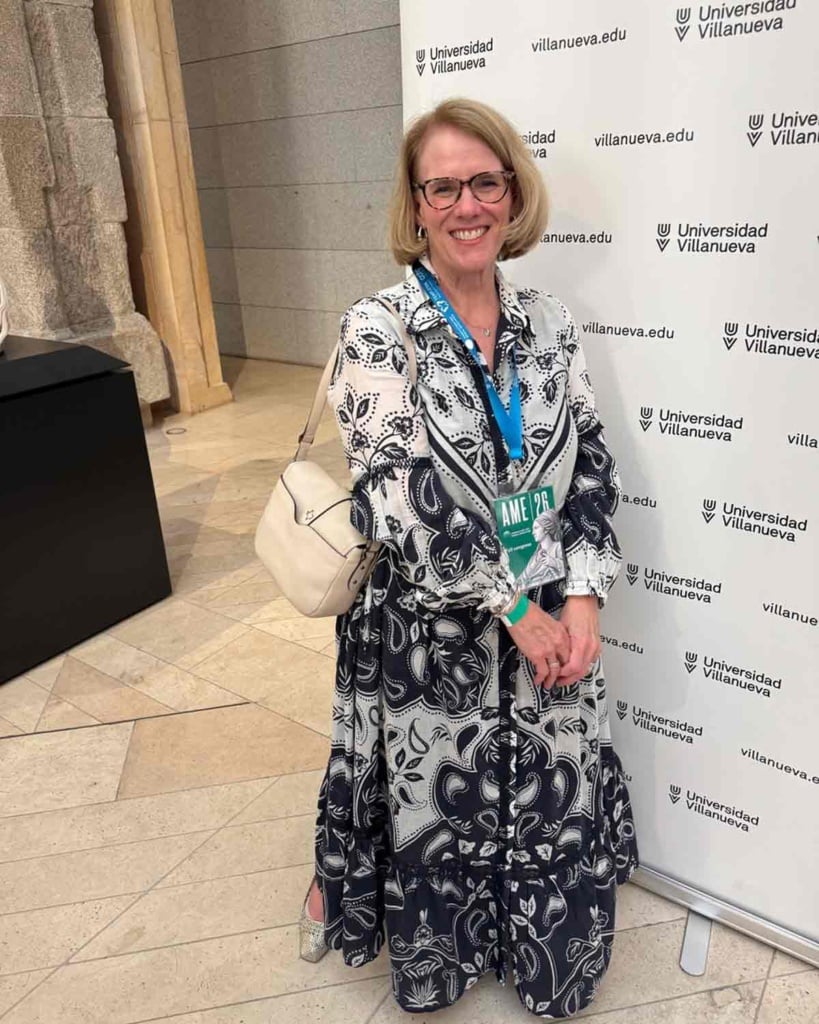
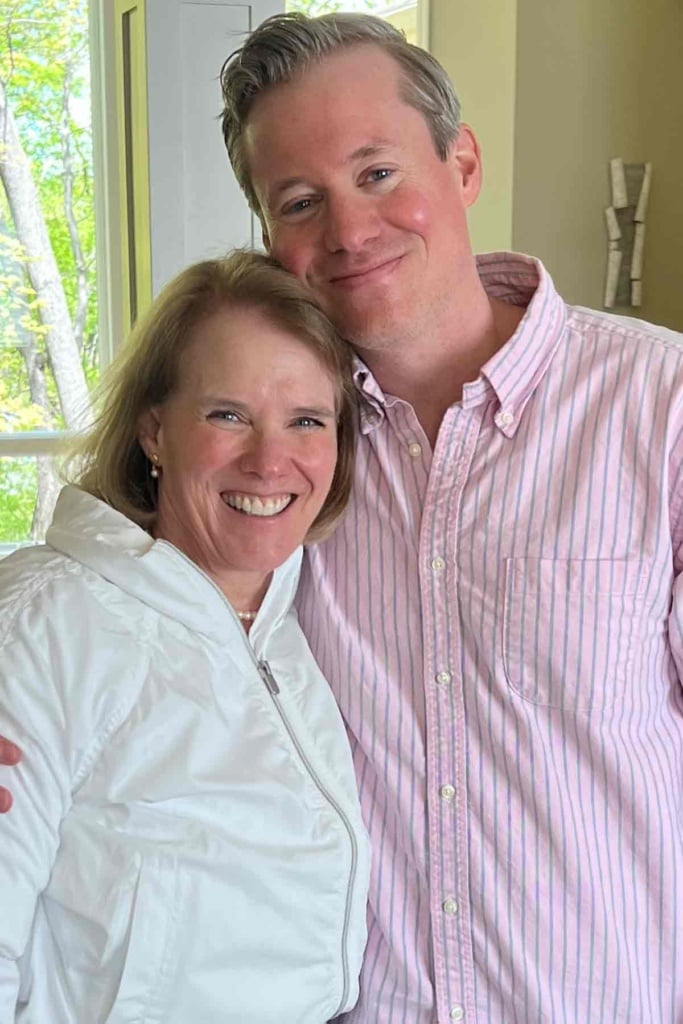
I was born in Prescott, Arizona (the fourth of five children in my original family unit) back when there were about 10,000 people in the area, now it’s well over 250,000. My parents were both educators, but I was the only one to follow in their footsteps. I am married to my high school sweetheart and am the proud mother of one child who is now 37 years old and practicing law across town from me!
When I was in kindergarten, I knew that I would be a child advocate and educator. Every day when I came home from Lincoln School I would teach my dolls, Tedderina (my one and only teddy bear), and my rock collection everything I learned that day at school. This started in kindergarten and I recall doing it until I was at least in fourth grade. I also played “school” with nearly all of my friends…much to their chagrin. Most of the storybooks from my childhood have writing in them from all of these activities. As I got older, I became that kid who would be called upon by the substitute teacher to help them with the schedule and management of the classroom. LOL! There would be a note from my teacher saying “ask Amy” on the lesson plans. To this day this little detail makes me laugh.
Also, a traumatic incident shaped who I am and why I believe I am alive. When I was nearly four years old my mother had to leave me at a childcare facility (for the first and only time). During my time there I witnessed a teacher hit a baby on the head with a large plastic serving spoon and then roll him in his highchair into a closet and close the door. I sat at a small reading table in the adjacent learning space and refused to leave while I heard the baby crying…my eyes were glued on the door to the closet. I sat there so long I urinated on the floor. The baby eventually stopped crying, and the care provider moved him, but I was in such a shock that I kept my legs locked around the table and would not budge. When my mother arrived, she was furious to learn that I was so uncooperative all day and that I had an accident. I told my mother what I witnessed. I could tell she might not have believed me, but when we got home, she called the owner of the childcare center. When I was older, my mother told me that the care provider was fired. This experience had a lasting impact on me. It seared into my brain that children are vulnerable and people who work with them must protect and advocate for them and nurture them with patience and kind understanding. This has been my mission for my entire life.
You spent years as a teacher, principal, and educational consultant before co-founding International Kindness Reset (IKR). Was there a specific moment in the classroom or the front office that made you realize kindness needed to be its own mission, not just a nice idea on a poster?
I love this question because being mindfully or intentionally kind is a choice and something that requires a lot of practice and reflection. I have had the privilege to observe close to 1,000 amazing educators interacting with students and families over the course of my 40 years in education. One thing I have noticed is that behaving kindly or doing kind things can actually become transactional or so much part of the routine that it no longer has the same impact. Said another way, educators are typically very kind people with a drive to make a difference in the lives of children but because master teaching is a craft of carefully rehearsed routines and teachers have limited time every day, they can unknowingly put kindness into this category. For example, have you ever been in a work scenario where you pass a colleague saying good morning to them and then accidentally say it again, to the same person, later that same morning? Yes, it is kind to notice others but doing so without intentionality is not meaningful to you or the person you are being kind to…nothing is being activated in the brain, it is just part of a routine.
Kindness resonates in schools because everyone, regardless of age or ability, can recognize kind and unkind behaviors. Kindness is also a unifying concept that everyone understands, and it impacts everyone, positively. So, there really wasn’t one big event where I had this epiphany other than the trauma I mentioned already; it was more of an accumulation of observations over time.
You and your co-founder, Dr. Tatyana Tsyrlina-Spady, were working on kindness together for five years before officially launching IKR. What finally pushed you both to say, “it’s time to make this its own organization”?
While we were at a conference in Atlanta (October of 2023), Tatyana and I were having a conversation at dinner with her husband who asked why we don’t just do it. Since we live in two different states, I knew it would boil down to who wants to carry the torch of all the responsibility that comes with registering and running most of the business-side of a nonprofit…so after discussing it with my husband, I decided that there was no better time! I called Tatyana to tell her and still remember driving into St. Paul, trying to find my way to the Attorney General’s Office to deliver the application…it was a cold November day; I was filled with optimism and excitement. And the rest, as they say, is history.
Between the two of you, you bring over 60 years of combined educational experience to this work. How does that background shape the way IKR approaches kindness, more like a curriculum to teach, or a culture to build?
I was thinking about this just the other day…firstly I think it is probably closer to 80 years of experience between the two of us…but for some reason we both list 30+ years on our website, maybe so people don’t judge us by our age? Anyway, I graduated in 1986 with a degree in elementary education and I later earned a master’s degree in curriculum and instruction and then a specialized certificate in PreK-12 school administration. I have literally spent my entire career in the field working with public school students, teachers, and families. Tatyana’s experience is similar to mine in heart and soul, but she spent most of her career as an academic in higher education, teaching preservice teachers, so between the two of us we have most of the spectrum of education covered. Tatyana also brings an international understanding of education to the table because she spent the large majority of her life living overseas.
The combination of these diverse experiences helps us see kindness from many points of view which adds a richness of the culture we are building. We formed a Board of Directors and also an international group of advisors we call our Senior Advisory Council, and we rely on them for support and guidance because it is literally just the two of us who do the work. The culture of kindness we are building together is very high touch; every project we do goes through a thoughtful consideration process. We have both learned a lot from each other and this continues to this day.
You’ve also served as a Board President and member for other nonprofits. What did those experiences teach you about building an organization that you carried into starting IKR?
I am so grateful for having had these experiences in the past because I do not think IKR would be running as smoothly had I not had any experience working with and leading a Board of Directors or what it really takes to effectively run the back-of-the-house, so to speak.
The biggest take away from these experiences is to maintain a high level of personal accountability for meeting deadlines and to have high standards in managing all the streams of business, such as documenting meetings or making hard copies of all of our receipts. When you sit in a home office working for yourself, it is really easy to put things off for another day…I really do not allow myself to do that because of these experiences. Every week I set aside time to take care of the “weeds”, so they don’t overtake me later.
The Work Itself
In just two years, IKR has grown to reach schools in Italy, Africa, Lithuania, Croatia, and the U.S. What has surprised you most about how kindness translates (or doesn’t) across such different cultures and communities?
Great question! From what we have learned thus far, children have a universal understanding of kindness. Connect with Kindness curriculum is unlike others because it relies on the voices and ideas from the children in each classroom, so each outcome is unique to that classroom, regardless of where they reside. For example, one of the 2nd-4th grade lessons begins with this prompt from the teacher: What is something we do to let our absent classmate ______________ (name of student) know that they are missed by our class today? In the US a group of 4th graders decided to make a quick video using the teacher’s cell that she later sent to the mother of the child. Students in a very small town in Lithuania literally walked over to the house of the child and the teacher took small notes from everyone to the door while the classmates waved from the porch. Both expressions of kindness were meaningful and intentional, but each group had a unique translation.
We love both of these outcomes because after the class completes the action they reflect on why it was important to intentionally notice someone in the community who is absent. By discussing reflections, thoughts, and ideas together, students make big connections to how their kind actions impact themselves, their peers, and other people which reinforces the learning and increases the likelihood that they will do something similar on their own in the future.
You’ve created curricula for elementary, middle, and high school students. Does kindness need to be taught differently to a second grader than to a high schooler, or are the core lessons the same at every age?
Each theme/subskill is the same for each grade level, but the details of specific Connect with Kindness lessons unfold differently, based on the age of the students. For example, theme/skillset #4 is: Contributing to the family or community and taking care of the elderly or sick.
Students in preschool are first shown a learning example of a 4-year-old from India doing a few chores around her house and then asked this question: What is one simple thing you can each do that will help your family after school today? After much discussion about the learning example and the ideas, these young learners will decide what to do. And in this case, due to their age and maturity, the teacher will give families a heads-up on what to expect so they can facilitate their child’s actions at home.
Whereas high school students would be shown a photo of an 18-year old from the Dominican Republic helping her grandmother eat and after a discussion about why it is important and responsible citizenry to help elders in the community, the students are asked this question: What is a simple thing we can individually do to show our grandparents or elderly person we know, or see in a public place near our home or school, that we care about them and are willing to give our time by contributing to their life, as Marta did in the photo?
As you can see, the questions and outcomes are similar but unique to the age-group. For example, after the actions are completed the reflection and discussions are very different. Older students focus on how their actions impacted others and why it is responsible for everyone to contribute in a community to the lives of elders who live there, while the youngest students discuss the definition of contributing to the family and how it made them and others feel as a result of their contributions.

Your newest project, *Connect with Kindness at Home*, brings this work into families rather than classrooms. What made you want to take IKR’s mission beyond the school walls and into people’s living rooms?
I have always felt that because families are each child’s first teacher, they should be more intentionally involved in what their child is learning, especially social and emotional learning…not by completing worksheets but through real activities that are highly engaging and designed to help to increase communication and bonds as a family, to reinforce all the learning that is taking place at school, and to establish meaningful family traditions rooted in empathy and self-reflection. For example, a family decided to use Connect with Kindness at Home for the summer with their fifth grader and shared the following outcome. Using the prompt from Chapter #3 which is the same as theme/skillset #3 for the curriculum “Creating an atmosphere or symbols of kindness” parents/care providers ask: “What is one thing we can do in our neighborhood or community to make someone we know or don’t know feel noticed and appreciated by us?” After a discussion, this fifth grader who loves animals decided to thank the people at the local pet emergency room by making a thank you poster and presenting it to them. The family reports that they had never seen their child more engaged when she saw how happy these total strangers were because of her expression of gratitude. While reflecting with her parents on the impact of her actions she said: “That totally made my entire day!”
You’ve presented your research at international conferences, most recently in Finland. What’s it like sharing this work on a global stage, and what have you learned from educators in other countries doing similar work?
The opportunity to share our work with colleagues in Finland and more recently Spain has been incredible. So much work is being done to impact society from the stance of moral education and what this looks like from the macrolevel of international research to the microlevel of how it is impacting people and whether or not society and especially children are thriving. We always walk away from these collaborations with new contacts and connections and a deepened understanding of what is happening globally and where there might be more opportunities for us to learn.
Anti-Bullying Focus
As Anti-Bullying Month approaches in October, what do you wish more parents understood about the connection between kindness education and actually preventing bullying?
Understanding the root cause of typical bullying situations is important for parents to understand because it usually begins when children do something without realizing (or in some cases, caring) how it is impacting others. It is always important, too, to remember that children are innately kind…but can behave unkindly due to an accumulation of personal experiences, feelings of isolation or exclusion, and/or inexperience being a friend and/or making and keeping friends. Kindness education helps students to reframe their thinking by providing them with multiple positive learning experiences which includes learning how to make and keep friends; believe it or not, making and keeping friends helps to prevent bullying.
Perspective-taking and problem-solving are two skills that impact the development of empathy in children and are a very big part of kindness education and antibullying initiatives. When young people have numerous opportunities to learn that others have perspectives and feelings that are similar and different from theirs and also how to problem-solve when issues arise either individually or as a group, they become more empathetic and are more capable of expressing or even thinking kindly. And since kindness is empathy in action, empathy development is a cornerstone in kindness education which reduces bullying.
Finally, it is very important for parents to realize that most young people do not have their kindness confidence built yet…in other words it is very hard for most people, especially children, to express the kindness they are thinking about or feeling in their hearts. Practicing how to do so together is a very important step in reducing bullying in schools and communities.
From your years as a principal, what’s one thing schools get wrong when they try to address bullying, and what would you tell them to do instead?
As a principal I dealt with bullying at my school and one case stands out to me. A first grader was being chased around the playground every single day, during every recess, for about two weeks. Finally, this child said something to their parents who reported it to me. When I individually asked each of the other children involved, why they were chasing their classmate they each had basically the same response: “Because they like it.” This means that each of the “chasers” independently decided and then as a group determined, that for some reason this other student liked to be chased, never once considering whether or not it was true. I recall asking each of them whether they would like to be chased and they each said no and seemed genuinely stumped when I asked them how they thought their classmate felt about it. Understanding the impact of one’s actions, especially at school, requires group reflection and discussion. When the “chasers” learned that their classmate was really upset and did not at all like being chased, they realized they were bullying them. With parent permission we had a group discussion about it and determined ways that each “chaser” was going to repair their relationship with their hurt classmate.
Not jumping to conclusions about these types of actions and taking the time to truly figure out the root cause for the bullying behaviors is key. Had this child’s parents never come forward, the “chasers” as a group or individually would have learned that this kind of teasing is okay and advance this thought process in other areas. Most bullying starts out small, as microaggressions and can be caught if the adults are looking for patterns and take the time to understand the thinking that went into a child’s decision to behave in a certain way.
My recommendation is to provide students with multiple ways they can practice group problem-solving and perspective-taking skills. Engaging students in SEL lessons that are 100% project-based, like Connect with Kindness, is a great start…learning by doing is what research says and practitioners know is the best way they acquire social and emotional competencies.
Secondly, engage students in real consensus activities. Each theme of our curriculum concludes with an immersion lesson that is more drawn out and extensive than the other examples I have provided. We train teachers on how to reach consensus with students, where they take them through group problem-solving and discussion that activates perspective-taking in order to decide what the immersion project will be. Countless teachers have told us that this process is so powerfully effective for group perspective-taking and problem-solving development that they are using this process once a week using mock scenarios, so students get used to the idea of deeply discussing why something might be a good idea, even if they don’t really like the idea.
For a parent who suspects their child is either being bullied or doing the bullying, what’s one small, concrete step from IKR’s approach they could try this week?
First, and always first, a parent who is worried bullying might happen to their child should make sure that their child has at least one really positive and productive friendship with someone at school. It is my observation that children who are bullied often do not have a close friend or friend group at school and/or may feel/be isolated there because of this or they are shy and have difficulty advocating for themselves. I suggest working with the teacher to help facilitate friendships. The child in the previous example was new to the school and did not have any friends. They thought that allowing the other kids to chase them would lead to friendships.
Parents who are concerned that bullying is actively happening should discuss their observations and concerns with their child to verify what they are suspecting. Young children process social interactions differently, so it may take a few conversations to get to the bottom of what is happening. It is important to involve the teacher at this point, too, in order to learn what they are noticing about your child’s interactions and establish the next steps you can take together to address it.
If the bullying continues and nothing is done about it, parents need to take the concern up the chain to the principal until it stops, being sure to have frequent discussions with their child all along about ways they can advocate for themselves by telling adults what is happening at school and then again, at home. This takes a lot of practice, so I recommend that parents work through mock scenarios with their child on a consistent basis. It is important for parents to keep the lines of communication open with frequent discussions about feelings with their child because this is key to solving the problem. Bullied children typically shut down and don’t want to talk to anyone about what is happening to them because it is often very confusing and/or embarrassing for them.
If a parent suspects that their child is the bully, I strongly recommend that the parent ensures that they also have positive and productive friendships. It is my observation that children who are bullies often do not have a close friend, may be new to a community, or they may struggle with emotion management (acting out) because they feel isolated or upset about their situation, and/or may have been a victim of bullying in the past with no resolve or repair.
Also, helping their child learn about the feelings of others is a helpful strategy. Do this by discussing how they and/or others are feeling in various given moments. This may help the parent see that their child has not yet developed an awareness that other people have feelings and might also pinpoint if their child has been bullied in the past. For example, while watching a favorite TV show, pause it and ask, how is that character feeling right now and how do you know? How does it make you feel to watch this interaction? I recommend providing the child with a lot of different ways to practice kindness, care, compassion, and responsibility to develop empathy through real experiences that are discussed as a family. Connect with Kindness at Home activities work amazingly well as a way to elevate kindness in the home without it being an individual “project” for one child or one situation.
And, finally, if none of my suggestions for the child suspected of being bullied or a parent who suspects that their child is a bully work, I suggest that they seek advice from a licensed therapist or mental health professional at the school or in the community to help them navigate this complex social phenomenon
Personal / Reflective
What does a “kindness reset” look like in your own life, on the days when patience is running thin?
What helps me the most is modeling what kindness looks like in action even when I am aggravated by the actions of others. I was recently at a dinner party where several people, including myself, were helping the host and hostess. I noticed that one helper was doing things to get a lot of attention, like being loud and making a big deal about her contributions to the dinner. When others do things like this to get noticed or credit for doing something kind, I put my head down and fade into the woodwork. In this case, I had to work extra hard to model kindness by staying behind the scenes and supporting the one person, in this case the host and hostess, with what they needed instead of trying to be the life of their party.
I also work hard to actually implement the resources I have developed both as a teacher and a god-grandparent. Each time I do so I reflect and think about the impact my ideas are having on everyone involved. This helps me to refine the practices both in my life and in the lives of others through my resources.
Is there a moment, a letter, a story, a student, that reminded you why this work matters, one you still think about?
One of my lessons asks students to think of ways they can welcome kids who are new to the school community. At one school the fifth graders asked the office staff who was new. It turned out to be a vulnerable child in second grade who also had unique learning abilities. The fifth graders decided that they would “shower” this child with welcome cards and letters from each student in this classroom. They delivered them to her one day at a prearranged time with the teacher. What happened next is what makes me cry. Every day for the rest of the year, someone in that classroom interacted with this little girl when she arrived, at recess, lunch, and when school concluded. She became a very popular second grader with a large group of fifth grade friends. At the end of the school year her mother approached the principal to say that her daughter had the best and most successful year of her life. She had never felt more excited about school and wanted to come to school every day, which was a big deal because she also struggled with school refusal/avoidance issues in kindergarten and first grade. But because these fifth graders expressed welcoming kindness to her each day, she changed. Kindness matters and it is so very simple to do and teach.
I think about this little girl every day and I am so happy that a simple lesson helped her to successfully integrate into a new school where she is flourishing.
If you could hand every reader one simple kindness practice to try with their own family this month, what would it be?
Decide to intentionally express gratitude as a family wherever you go. For example, take blank notepaper and colored pencils to dinner and write thank-you notes to the server and/or the cook or even on an airplane for the pilot or flight attendants. Or the next time you go shopping and someone helps you or does something for you like change your oil or clean your clothes, leave them a handwritten note of appreciation for how they helped your family, and have everyone participate in giving it to the receiver. After each time you do this be sure to always have a simple conversation about how this gesture impacted each person in the family as well as the receiver. For example: How did showing appreciation make _______________ (the person) feel? How do we know how they felt? What did you see or hear? How did you feel? Why is it important to express gratitude for the people who help us? How else can we express gratitude in the future?
In Closing
What’s bringing you joy right now, outside of work?
Other than being with my family, it would have to be my garden. Because I am in Minnesota and the summer is very short, seeing the earth open up with such a beautiful bounty of flowers and pollinators is incredibly joyful for me.
Any book, podcast, or small daily ritual you’d recommend to the readers in this community?
One of the very best books I have ever read is The Servant Leader by James A. Autry. I believe everyone is a leader in their life, whether it is of a family, a friend group, and/or work. This resource is so valuable to me that I read it nearly every year. I also love my daily ritual of reading the Daily Reflections for Highly Effective People by Stephen Covey. Both of these resources reset my state of mind…and help me to forge ahead with my work and family life. I know that they are older resources, but truly are the best in class in my opinion.
The other ritual I have is to always endeavor to sit at the dinner table with my husband and light a candle and listen to music while we eat. We have done this throughout our marriage, and it is one of the best traditions we have as a couple. It helps us to intentionally reconnect after each day and to set the stage for a great day, tomorrow.
How did you find my blog, and how long have you been following along?
My dear, sweet friend, Arleen Rice, who is also one of the most amazing educators I have ever known got me addicted to you about a year ago! She would often send me links and I finally registered. I love your content. It is truly inspiring, completely relevant, and highly practical.
Do you prefer to engage on social media, or is the blog your preferred way to connect with our community of women over 50?
Due to my work and life, social media takes a backseat because I simply have limited time. I really enjoy the blog because I can easily find it when I do have time and, most importantly, it is always worthwhile!
What would you like to see more of from the blog and what are currently the posts you look forward to most?
I really like the styling ideas with clothing. You do it so beautifully and I always feel like I look better in the mirror after reading her suggestions and personal experiences. I also truly enjoy how you style homes; I always walk away with great ideas that add new dimensions to my spaces. The recipes are also wonderful. I especially love learning from other women who are doing good in their communities.
Share your words to live by:
Always follow your heart (and not your head) because it is never wrong. Stay humble. Shine light on the successes of others. Create “community” wherever you go. Challenge yourself to do hard (or new) things and don’t give up. Finally, entrust your family and friends with your deepest worries and concerns because they will not judge you, they will love and guide you so you can get back on track.
I don’t know about you, but I finished this interview wanting to write a thank you note to somebody, anybody, just to see what it might do for both of us. Amy’s reminder that kindness has to be practiced, not just felt, is something we all need to hear on repeat. A huge thank you to Amy for sharing her story, her work, and that unforgettable memory of a classroom of fifth graders who changed a little girl’s whole year. You can learn more about International Kindness Reset or grab a copy of Connect with Kindness at Home. And, if this piece moved you the way it moved me, pass it along. That, too, is a small act of kindness.
You might enjoy some of my recent Readers Series interviews:
Meet Active, Inspiring, Stylish CHD Reader Arleen Rice
My Readers are More Interesting than Me, Author & Farmer Prue Batten




Thank you for the opportunity for this interview, Cindy, and to all of our enthusiastic readers for their thoughtful comments. Kindness is such an important topic in this day and age and I believe it is achievable through open hearts and incredible forums like this. Here’s to a kinder world, one small act at a time! 🙂
Hi Amy
We have a wonderful community of women here. I am so glad to have interviewed you! Keep spreading the word!!
Hi Cindy,
I have to respond to you from my other email address, my email that you have is NOT downloading on my desk top computer. It’s so ODD, my husband is a computer and he can’t figure out how come. It’s noting to due to your blog. On my iPhone your messages come in then disappear, I can’t respond to you from my iPhone. Cindy, do you think this could because of the ads?
OKAY, I wanted to thank you so very much for sharing Amy Spangler with us and per partner. I enjoyed it immensely. Wow, we have so much to be grateful for to have Amy in our world. She adds so much to our lives, and children and humans in general.
As a youngster I had a horribly embarrassing experience when I was in sixth grade that I was totally mortified by. That mean girl should had been expelled from school or taken to the principals office, or
suspended from school. In my days they never spoke about kindness. That word did not exist. I am so glad that kindness, compassion, gratitude is now in the forefront of conversations. I think some adults could take lessons too.
Amy, if you are reading any responses Cindy gets I would like you to know I live in Anthem, not far from Prescott. If you want to ever stop by for me to meet and show you around our beautiful community my door is always open. I know you are engaged all the time with your work and travel. Just in case it’s nice to reach out to someone you would like to share the table with.
Thanks again Cindy for sharing Amy with us.
Hi Katherine,
What a lovely invitation. Unfortunately I do not live in the Prescott area anymore, but we love Anthem! We have several friends who live there now, so when I return it would be lovely to meet you. Thank you! Amy
Hi Katherine
You are so kind!!
Wow, I loved reading about this and I sent it on to several of my friends were teachers I think preventing bullying is such a great thing and some of the suggestions she had were just really so good that I wanted to share them. It was really neat learning about her.!
Thank you, Martha! I hope your friends find the suggestions helpful.
Amy
What a great interview, Cindy! I was bullied so much as a child..small, thin, asthmatic, buck teeth and grew to 5 foot only. Oh dear! Bullying was not a subject in those days but my mother was aware and stopped it in its tracks; she was an elementary school teacher in a very small town and had had many children in her classes. ..perhaps 1/4 of the entire population by the time she retired. . This sort of activity goes on in a young relatives school so I hear about it often. Parents of these bullies are pretty rough so I know it is a challenge to discuss the issue. Having children reflect on their actions is a start and a good one! Concepts about caring should carry through into adulthood. We can help the lesser able or new among us in many ways that may not be ‘splashy’.
I had never heard of Amy but she is tackling a very important subject. Especially now, it seems like the leaders of our country, who should be setting examples, are in need of lessons! I just did a search on whether Melania Trump has a cause as First Lady. I seem to recall her taking on bullying in the first term. She supposedly is still focused on the well-being of children, however, she mostly seems to be MIA as far as I can tell. I hope that at some point, our leaders can show more empathy and kindness to all.
Hi Wren
It is a very important subject that we should talk to our grandchildren about.
A cursory search yielded the information that Melania Trump is focused on helping children in foster care, as well as those leaving it. She isn’t MIA at all, but the mainstream media prefers not to cover anything she does.
Wonderful post. A lot to unpack and think about.
Yes PJ agree!!
So talented in kindness, it was a pleasure to read about Amy Spangler. My kids are grown but there is inspiration for me in my everyday life. Thanks Cindy and Amy.
Hi Carol
Unfortunately I see it at my granddaughter’s age already!!